
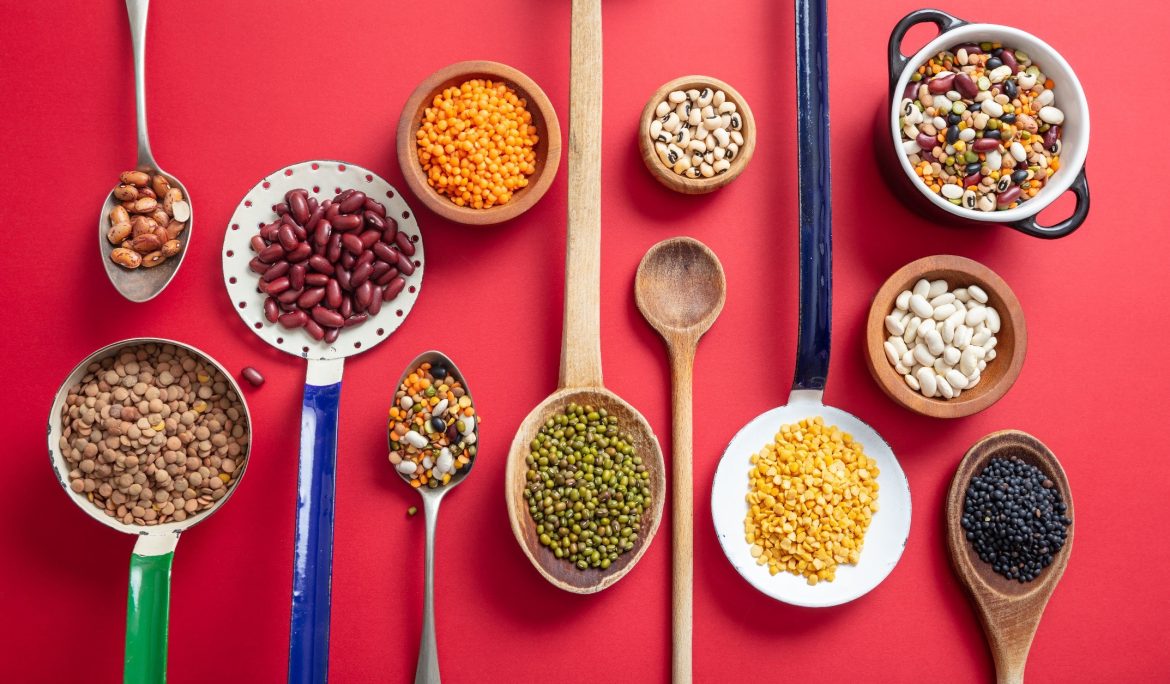
Introduction to Pulses
- Definition of pulses and their significance in the agricultural industry.
- Popular types of pulses: lentils, chickpeas, beans, etc.
- Health benefits of consuming pulses.
- Definition of pulses and their significance in the agricultural industry
- Definition of Pulses:
Pulses, often referred to as grain legumes, are a group of crops belonging to the family Fabaceae. These crops are harvested solely for the dry seed, making them different from other legumes that are harvested while still green. Pulses are nutritionally dense and include a variety of beans, lentils, peas, and chickpeas. They are renowned for their high protein content, making them a vital source of plant-based protein in diets worldwide. Pulses are not only valued for their nutritional benefits but also for their ability to enrich the soil due to their nitrogen-fixing properties.
- Significance in the Agricultural Industry:
Nutritional Value:
Pulses are rich in protein, fiber, vitamins, and minerals. Their nutritional density makes them an essential component of a balanced diet, especially in regions where access to animal protein is limited.
Food Security:
Pulses are a staple food for millions of people worldwide. They provide a reliable source of affordable protein and other essential nutrients, contributing to food security and addressing malnutrition challenges.
Versatility and Culinary Uses:
Pulses are incredibly versatile in the kitchen. They can be used in a wide range of culinary dishes, including soups, stews, salads, and even desserts. This versatility makes them popular in various cuisines globally.
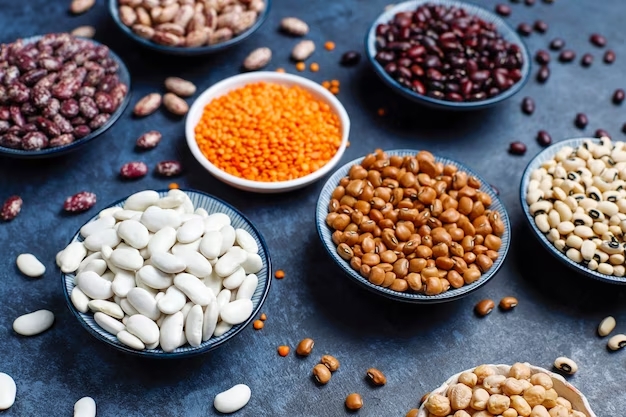

2. Popular types of pulses: Chickpeas, Moong, Grain Wheat etc.
- Chickpeas (Cicer arietinum):
Chickpeas, also known as garbanzo beans, are small, round, beige legumes with a nutty taste and grainy texture. Chickpeas are a rich source of protein, fiber, vitamins, and minerals, making them a staple in various cuisines worldwide.
- Moong
Moong beans are small, green legumes with a slightly sweet taste. They are commonly used in Asian cuisine and are known for their high protein and fiber content. Moong beans are available as whole beans, split beans, or moong bean sprouts.
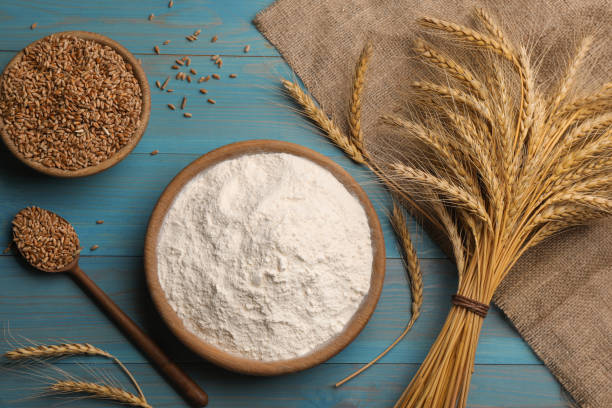
- grain Wheat
Wheat is a cereal grain widely cultivated for its seed, which is a staple food in many parts of the world. It comes in various forms, including whole wheat, wheat flour, and semolina. Wheat is a significant source of carbohydrates and provides energy, along with essential nutrients like fiber, vitamins, and minerals.
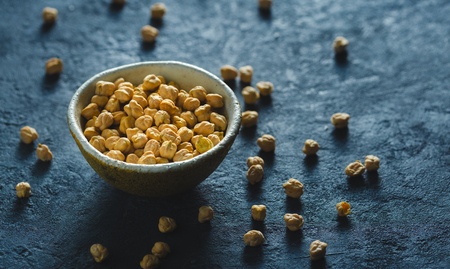
Chickpeas (Cicer arietinum)

Moong
3. Health Benefits of Pulses:
- High Protein Content: Pulses are rich in plant-based protein, vital for muscle growth and repair.
- Dietary Fiber: High fiber aids digestion, promotes fullness, and supports weight management.
- Low Glycemic Index: Helps regulate blood sugar levels, making them suitable for diabetics.
- Heart Health: Low in cholesterol, pulses contain minerals that support a healthy heart.
- Nutrient-Rich: Packed with vitamins and minerals, contributing to overall health and wellness.
- Antioxidant Properties: Pulses contain antioxidants, reducing the risk of chronic diseases.
- Gut Health: Acts as prebiotics, nourishing beneficial gut bacteria for improved digestion.
- Gluten-Free: Naturally gluten-free, making them suitable for gluten-sensitive individuals.